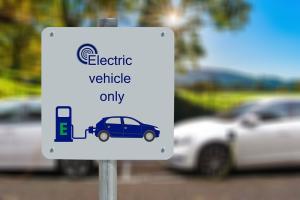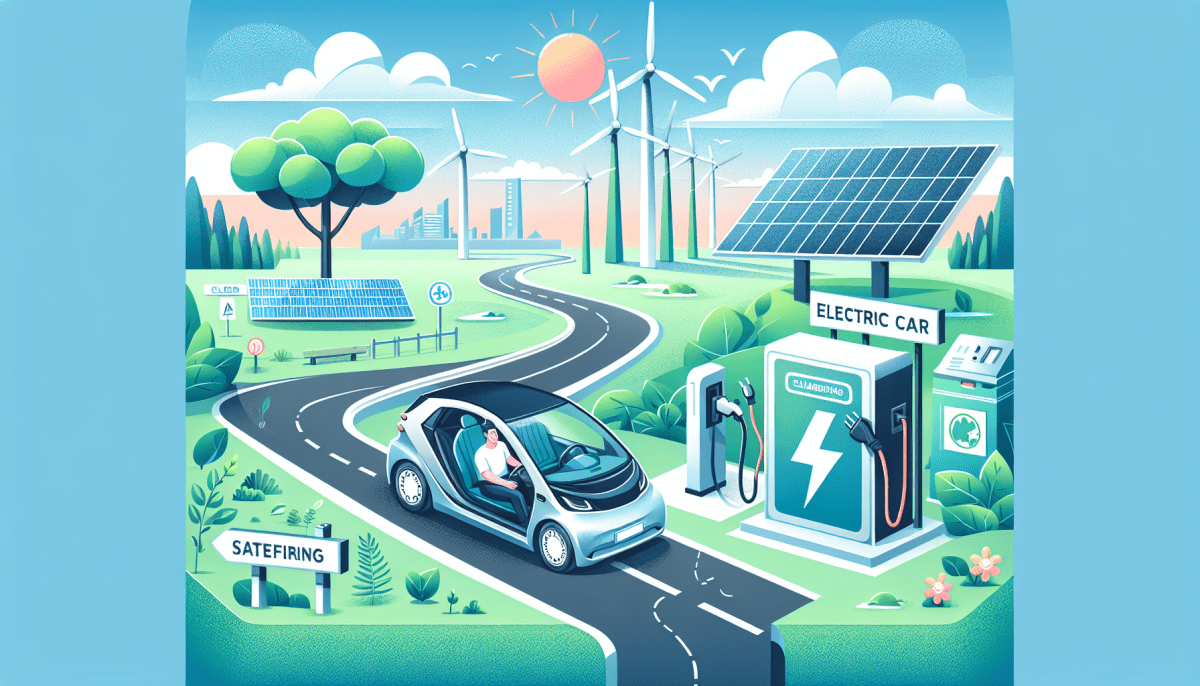
Switching to an electric vehicle (EV) offers some pretty great perks. For starters, you can save a lot on fuel costs. Charging up at home is often cheaper than buying gas, and with rising fuel prices, that’s a big plus. Plus, many charging stations offer free charging or incentives, making your wallet happy.
Then there's the maintenance side of things. EVs generally require less upkeep than traditional gas-powered cars. You won’t need oil changes, and brake wear is often reduced thanks to regenerative braking. This means fewer trips to the mechanic and lower repair costs over time.
Another awesome benefit? Lower emissions! Driving an electric vehicle helps reduce air pollution, which is great for the environment. You’ll feel good knowing that you’re doing your part to combat climate change while enjoying quieter drives without engine noise.
Finally, owning an EV can open doors to tax incentives and rebates, depending on where you live. These perks can knock off a nice chunk of change from your purchase, making EVs a financially smarter choice. Plus, as charging infrastructure improves, you'll find it easier than ever to find a spot to power up your vehicle.
Saving Money on Fuel and Maintenance
Switching to an electric vehicle (EV) can seriously lighten your wallet in the long run. Think about it: with the soaring costs of gas, charging up your EV is a major win. Depending on your local electricity rates, you might pay significantly less to charge your car than you would spend on gas. Some folks save hundreds each year just by making the switch!
And let’s not forget about maintenance. EVs have fewer moving parts compared to traditional combustion engines. That means fewer trips to the mechanic and way less money spent on oil changes, fuel filters, spark plugs, and other routine upkeep. Just think: less time worrying about a long list of repairs and more time cruising around in your electric ride.
Plus, many EV owners find that they can save seriously on brake maintenance. Most electric vehicles use regenerative braking, which helps recharge the battery while you slow down. This process helps extend the life of your brake pads, translating to even more savings. Who wouldn’t want to spend less on maintenance?
When you add it all up, the savings on fuel and maintenance can really stack up. Owning an electric vehicle isn't just eco-friendly; it's a smart financial move too!
Environmental Impact of Electric Cars
Electric vehicles (EVs) are making waves for all the right reasons, especially when it comes to the environment. One of the biggest perks of driving an EV is how they help cut down on air pollution. Since they don’t burn fossil fuels, they don’t release harmful emissions like traditional gas-powered cars. This means cleaner air for everyone, especially in busy cities where air quality can be a concern.
Switching to electric cars also helps reduce greenhouse gas emissions. Even when you factor in the electricity used to charge them, EVs typically produce far less carbon dioxide over their lifetime compared to gasoline vehicles. With renewable energy sources, like solar or wind, charging an electric car can be even greener. This transition plays a significant role in fighting climate change and promoting sustainability.
Another cool thing about electric cars is their energy efficiency. They convert a higher percentage of electrical energy from the grid to power at the wheels. This means you get more bang for your buck compared to traditional vehicles, which lose a ton of energy as heat. So not only do you save on gas, but you’re using energy much more wisely.
Plus, as more people adopt electric vehicles, it encourages communities and governments to invest in better charging infrastructure. This can create a positive feedback loop, making it easier for others to make the switch to electric. The more EVs we have on the road, the better it is for our planet, and that’s something we can all feel good about.
Convenience of Home Charging Solutions
Imagine coming home after a long day, parking your car, and just plugging it in. That’s the magic of home charging solutions for electric vehicles. You don’t have to make an extra stop at a charging station. You just walk inside, and your car starts charging. It’s convenient, plain and simple.
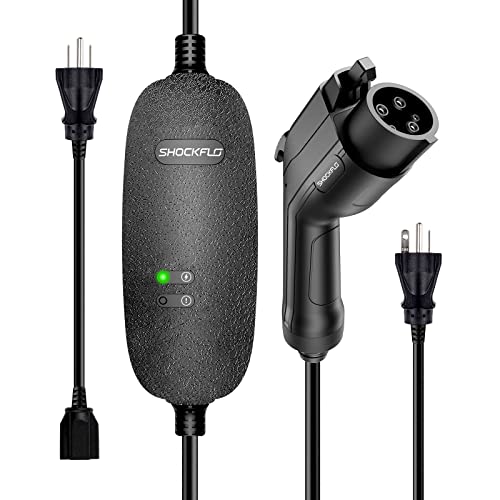
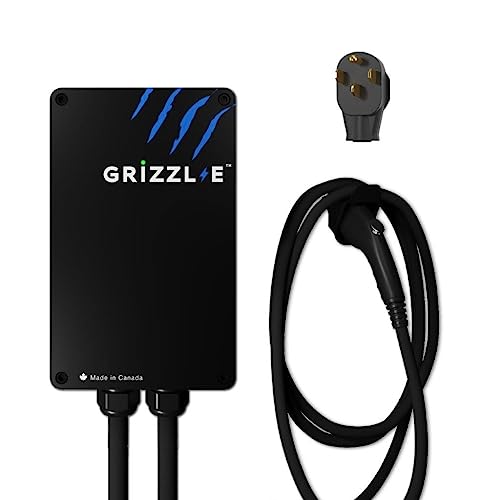
Home chargers are designed for ease of use. You can usually set them up in your garage or even outside, and most models are pretty straightforward to install. Many people feel comfortable tackling the installation themselves, while others have electricians handle it. Once it’s set up, you just connect your car, and you’re good to go. Charging overnight means you start each day with a full battery.
Plus, charging at home is cost-effective. You can take advantage of lower electricity rates at night, which can save you a decent chunk of change over time. And many utility companies offer rebates or incentives for installing a home charger, so it's worth checking out those options. Investing in a home charging solution not only saves you time but can also be lighter on your wallet compared to using public charging stations.
With a home charging station, you can also track your charging habits and schedule. Some chargers even come with smart features that let you monitor energy usage through an app. This means you get insights into your driving patterns and can adjust when you charge based on the best electricity rates—no more guesswork!