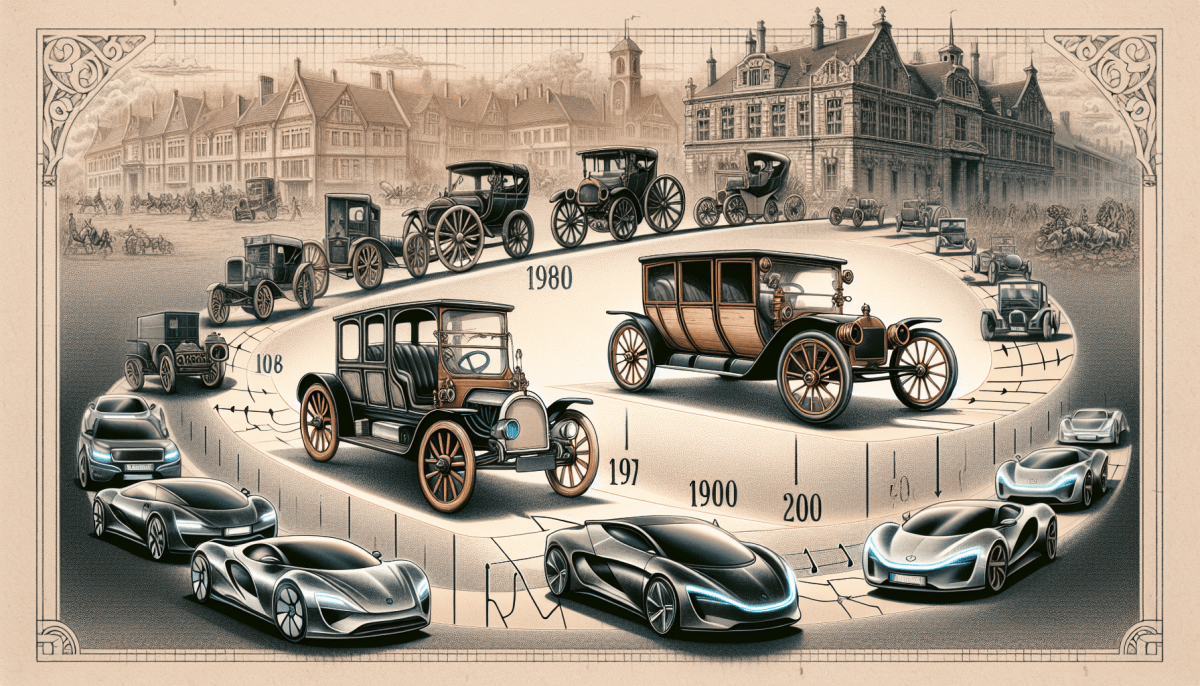
Electric vehicles have been around way longer than you might think. The first electric cars hit the streets in the 1800s, powered by simple batteries. It was a pretty exciting time for transportation, as inventors explored new ways to make travel cleaner and quieter.
One of the earliest electric cars was built by a Scottish inventor named Robert Anderson around the 1830s. It wasn’t practical for everyday use since battery technology was still in its infancy. But it kicked off a wave of interest in electric propulsion. Fast forward a bit, and by the late 1800s, people like Thomas Parker in the UK were putting electric taxis on the road. These early models were gentle on the environment and easy to drive, making them quite appealing.
Then came the 1900s, when electric vehicles truly gained traction. At this point, they became a popular choice for city dwellers who wanted a quiet ride. Many folks went for electric cars over gas guzzlers. They were often seen as a luxurious option, favored by the upper class. It’s funny to think that back then, electric vehicles were considered chic!
Unfortunately, the arrival of better gasoline engines and the mass production of gas-powered cars by companies like Ford shifted the market dramatically. Oil was cheap, and gas-powered cars became the norm. But those early innovations laid the groundwork for the electric vehicles we see zipping around today. They deserve some credit for sparking the journey toward cleaner, greener driving that continues to evolve.
Key Milestones in EV Development
The journey of electric vehicles has been quite the ride! It all kicked off in the early 1800s when inventors started creating small battery-powered vehicles. By the 1830s, a Scottish inventor named Robert Anderson built one of the first crude electric carriages. Fast forward a few decades, and in 1890, an American named William Morrison launched a more practical electric vehicle, which sparked interest among the public. People began to see the potential of EVs.
The 20th century brought some ups and downs for electric vehicles. In the 1910s, EVs were popular, especially for urban use, but then gas-powered cars took over due to their longer ranges and lower costs. The electric vehicle market faded away for several decades as trucks and sedans dominated the roads.
Things changed in the late 20th century. In the 1990s, companies like General Motors introduced the EV1, a stylish electric car that paved the way for future models. The environmental movement also gained traction, and people started caring about fuel efficiency and emissions.
Things really took off in the 2000s. Tesla came onto the scene, shaking things up with the Roadster. This electric sports car wowed everyone and showed that EVs could be fast, fun, and eco-friendly. Other brands jumped on the bandwagon, and soon, electric vehicles became a serious option for mainstream consumers.
Today, the electric vehicle landscape is booming. From compact cars to SUVs, you’ll find a ton of options that suit all lifestyles. Advancements in battery technology keep improving range and charging speeds. Plus, governments are rolling out incentives to make EVs even more appealing. Electric vehicles are not just a trend; they’re here to stay!
Modern Advancements in Electric Vehicle Tech
Electric vehicles (EVs) have come a long way, and the tech that powers them has really stepped up in recent years. Let's take a look at some of the cool advancements that are making your ride smoother and more efficient.
One of the biggest breakthroughs is battery technology. Modern EVs are ditching those old, bulky batteries for lighter, smaller, and way more powerful lithium-ion packs. This means longer ranges and shorter charging times. Some cutting-edge models can get you over 300 miles on a single charge—that's like driving from New York City to Boston without stopping!
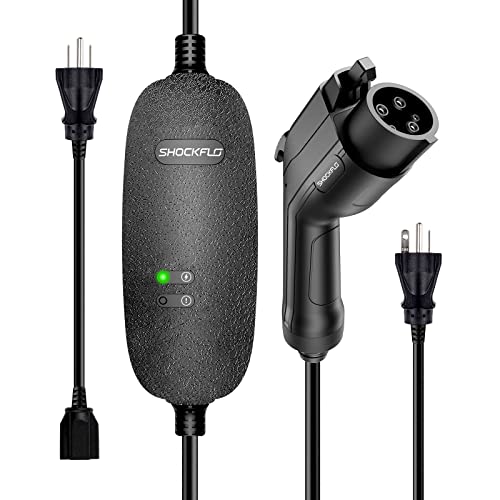
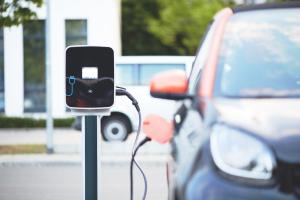
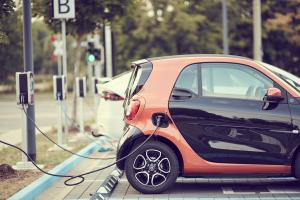
Then there’s the charging tech. Fast charging stations are popping up everywhere, making it easier than ever to power up your EV. Some chargers can give your car an extra 100 miles in just 30 minutes. Plus, smart charging systems now let you schedule charging when electricity rates are lower, saving you some cash.
Another neat feature is regenerative braking. This tech allows your car to recharge its battery while you brake. So when you’re cruising through the city, you’re not just stopping—you’re also gathering energy to use later. It's like getting a free boost every time you hit the brakes!
Finally, let’s not forget about gadget integration. Many new EVs come with built-in apps that help you find charging stations, check battery levels, and customize your driving experience. All this tech just makes owning an electric vehicle super convenient and, let's be honest, kind of fun!
Looking Ahead to the Future of EVs
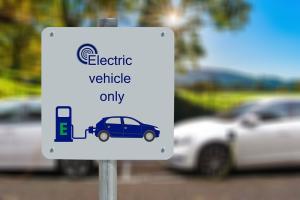
The future of electric vehicles (EVs) is super exciting! We’re talking about a world where charging stations pop up like coffee shops. Imagine being able to plug in your car while you grab a latte. It’s not just about convenience; it’s about making EVs a part of daily life.
Battery technology is kicking it up a notch. New batteries promise longer ranges and faster charging times. Forget that dreaded range anxiety! Soon, you'll be able to drive for hundreds of miles on a single charge before needing to top off. It’s all about making your life easier and travel hassle-free.
Plus, more and more companies are jumping into the EV game. This means a wider variety of models and price points. Whether you want a sleek sedan, a rugged SUV, or even a quirky little city car, there will be options for everyone. EVs are becoming a genuine choice for any driver.
We can’t forget about sustainability. The push for greener energy sources to power these vehicles is growing too. Many areas are investing in renewable energy, making EVs even cleaner. It’s a win-win for the environment and your wallet. Lower energy bills and less pollution? Yes, please!