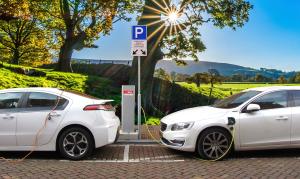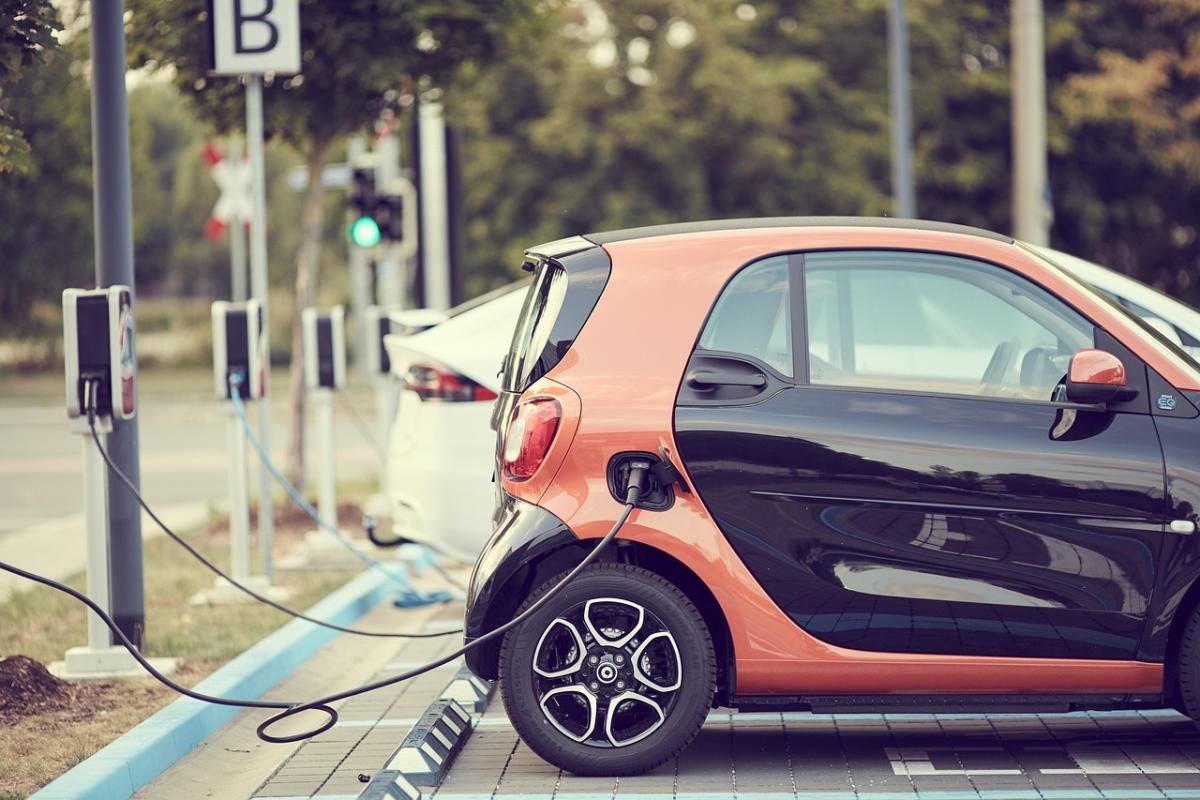
Electric vehicles (EVs) are changing the way we think about energy consumption. As their popularity rises, they bring with them both exciting opportunities and challenges for energy grids. When you plug in your EV, you're not just charging a car; you’re also tapping into a larger energy ecosystem.
One of the biggest impacts of EVs is their energy demand. Chargers are popping up everywhere, and that means a noticeable spike in electricity use, especially during peak hours. This could strain local grids if they're not prepared. But on the flip side, it also opens the door for innovative solutions. For example, utilities can set up smart charging programs to help balance energy loads and encourage EV owners to charge during off-peak hours.
It's also worth mentioning that EVs can help with renewable energy integration. When renewable sources like solar and wind produce energy, that's a great time to charge your car. This can boost the use of clean energy and further reduce carbon footprints. Plus, if we ever get to vehicle-to-grid technology, your EV could actually send energy back to the grid when it's not in use, adding even more flexibility to energy management.
So, while EVs can stress the grid, they also come with the potential for advancements in energy management. Understanding this interaction is crucial for everyone, from homeowners to city planners. By embracing these changes, we can create a more sustainable and efficient energy future.
Challenges for Energy Grids with Electric Vehicles
As electric vehicle (EV) adoption rises, our energy grids face some real challenges. Charging all those cars requires a lot of juice, and sometimes the grid just can’t keep up. Think about rush hour: everyone’s trying to charge up their EV when they get home from work. It’s a race to plug in, and if the grid isn’t ready, things can get dicey.
Load management is a big topic in this space. When everyone charges at the same time, it puts a strain on local grids. Power outages can happen, or you might find your charging speed slowing down. That's not what anyone wants after a long day! Smart charging technologies are starting to help by spreading out charging times, but there’s still a lot to figure out.
Then there's the issue of renewable energy sources. More EVs mean we need greener energy solutions to keep our planet happy. If the solar or wind energy isn’t available when people need to charge their cars, it creates a gap. Batteries and energy storage systems can help bridge this gap, but not every area has them yet.
Finally, let’s not forget about infrastructure. Some places need upgrades to handle the increased demand from EVs. It’s not just about adding a few more charging stations; the entire system needs to be robust enough to manage this shift. Cities are looking into these upgrades now, but it’s a big job that takes time and investment.
Benefits of Electric Vehicles for Energy Systems
Electric vehicles (EVs) are not just cool machines that help you get around; they actually play a big role in improving our energy systems. First off, they can help balance out energy demand. Think about it: Many people charge their EVs at night when electricity use is lower. This helps flatten the demand curve, making it easier for power plants to operate efficiently.
Then there's the idea of vehicle-to-grid technology. This basically means your EV can give back electricity to the grid when it's needed most. So, when demand spikes, your car can help support the system. This two-way street of energy not only delivers power but also helps keep the grid stable and reduces the risk of blackouts.
Plus, using EVs can lower emissions and make our cities cleaner. If your car is charged with renewable energy, it’s like driving a mini power plant on wheels! Less reliance on fossil fuels means cleaner air and a healthier planet.
And let’s not forget about cost savings. When you charge your EV, especially during off-peak hours, you can save a lot on electricity bills. This helps you save money while also supporting a more flexible energy grid.
All of these factors show that electric vehicles can be a game-changer, not just for drivers, but for our overall energy systems. They make energy use smarter and cleaner, paving the way for a more sustainable future.
Planning for the Future of Electric Charging
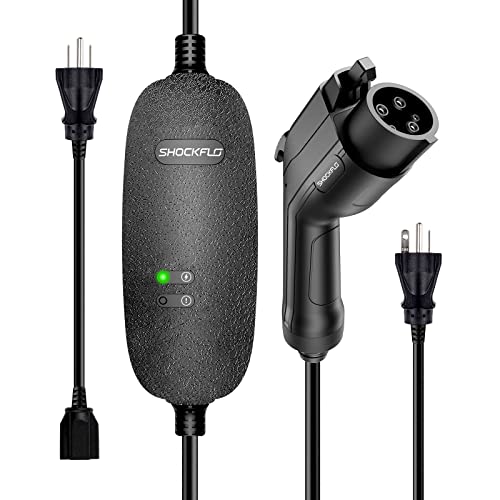
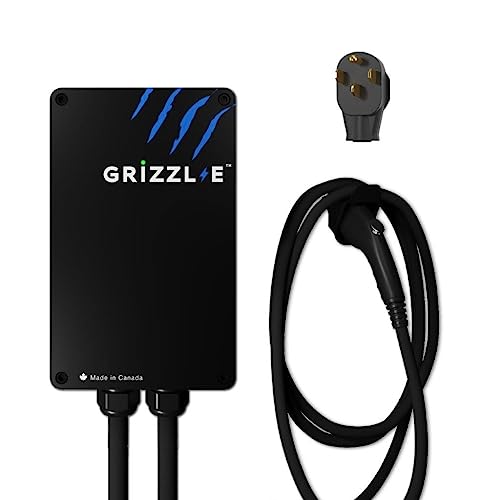
As electric vehicles (EVs) become more popular, thinking about electric charging is key. EV owners want to ensure they can easily recharge their rides, and this means we need to figure out the best ways to expand charging infrastructure. It's not just about installing a few chargers; it’s about planning for a smart, accessible network that meets the growing demand.
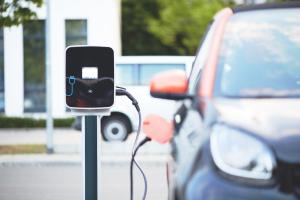
Installing chargers in homes is a great start. Many people prefer the convenience of charging overnight. But to really get ahead, we also need public charging stations in places like shopping centers, workplaces, and on highways. Fast chargers are super important for road trips. Imagine being able to grab a coffee while your car powers up in 30 minutes!
Battery technology is making big strides too. With better batteries, vehicles can store more energy and last longer between charges. This means less stress on energy grids since EVs can pull power during off-peak times. Plus, some cars even allow you to send energy back to your home or the grid when they’re not in use. It’s like having your own little power station!
Collaboration is also vital. Governments, businesses, and energy companies need to work together to create a roadmap for this electric future. Incentives for installing charging stations, coupled with community awareness, can help build the infrastructure we need. The more people see charging as a norm, the more they'll embrace EVs.
Ultimately, planning for the future means thinking about how we can make charging as seamless as possible. From enhancing battery technology to expanding charging networks, there's a lot we can do. The future of electric charging is bright, and with the right steps, it can be smooth sailing for everyone on the road.